About Hemophilia
- Home
- About Hemophilia
ABOUT HEMOPHILIA?
WHAT IS HEMOPHILIA?
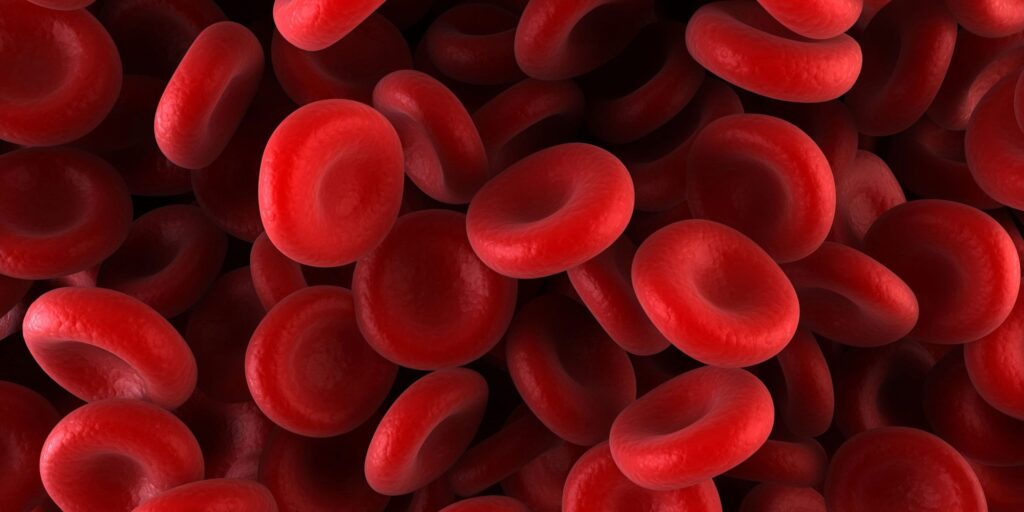
Hemophilia is a bleeding disorder. People with hemophilia do not bleed any faster than normal, but they can bleed for a longer time. Their blood does not have enough clotting factor. A clotting factor is a protein in blood that controls bleeding.
Types of Hemophilia
The most common type of hemophilia is called hemophilia A. This means the person does not have enough clotting factor VIII (eight). Hemophilia B is less common. A person with hemophilia B does not have enough factor IX (nine). The result is the same for people with hemophilia A and B; that is, they bleed for a longer time than normal.
HOW DO YOU GET HEMOPHILIA?
People are born with hemophilia. They cannot catch it from someone like a cold. Hemophilia is usually inherited, meaning that it is passed on through a parent’s genes. Genes carry messages about the way the body’s cells will develop as a baby grows into an adult. They determine a person’s hair and eye colour, for example. Sometimes hemophilia can occur when there is no family history of it. This is called sporadic hemophilia. About 30% of people with hemophilia did not get it through their parents’ genes. It was caused by a change in the person’s own genes.
How is hemophilia inherited?
The hemophilia gene is passed down from a parent to a child. The genes for hemophilia A and B are on the X chromosome. For this reason, hemophilia is called an X-linked (or sex-linked) disorder. The figure below explains how the hemophilia gene is inherited. When the father has hemophilia but the mother does not, none of the sons will have hemophilia. All the daughters will carry the hemophilia gene. Women who have the hemophilia gene are called carriers. They sometimes show signs of hemophilia, and they can pass it on to their children. For each child, there is a 50% chance that a son will have hemophilia and a 50% chance that a daughter will carry the gene. Women can only have hemophilia if their father has hemophilia, and their mother is a carrier. This is very uncommon.

WHAT ARE THE SIGNS OF HEMOPHILIA?
The signs of hemophilia A and B are the same:
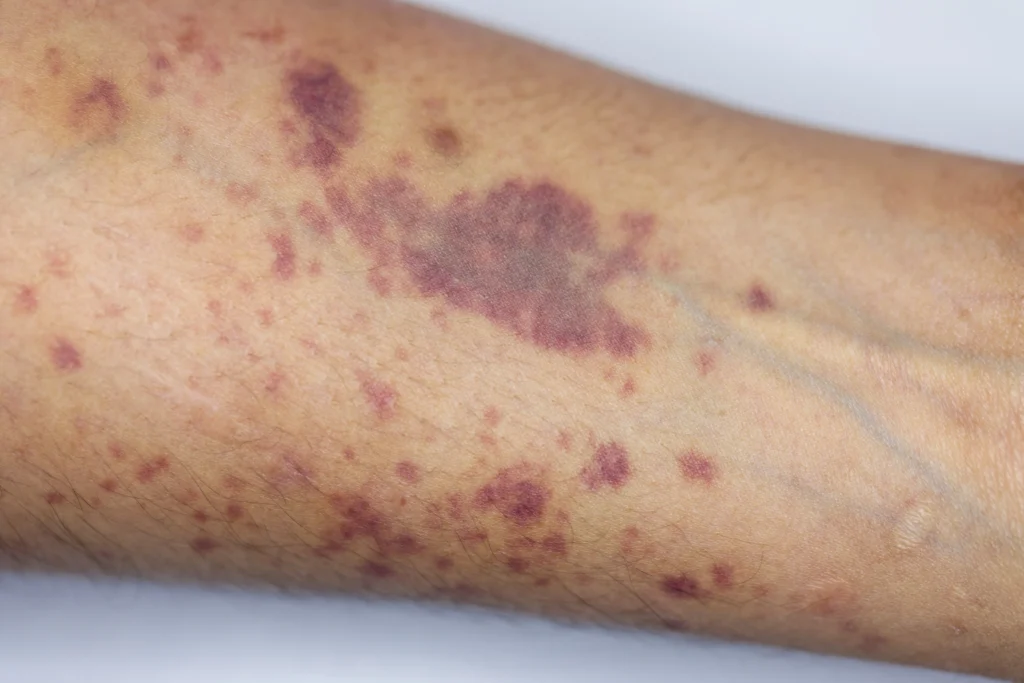
⦁ Big bruises
⦁ Bleeding into muscles and joints
⦁ Spontaneous bleeding (sudden bleeding inside the body for no clear reason)
⦁ Prolonged bleeding after getting a cut,
⦁ Removing a tooth or having surgery.
⦁ Bleeding for a long time after an accident,
⦁ Especially after an injury to the head.
⦁ Bleeding into a joint or muscle causes:
⦁ An ache or “funny feeling”
⦁ Swelling
⦁ Pain and stiffness
⦁ Difficulty using a joint or muscle
Where does bleeding occur?
People with hemophilia can bleed inside or outside the body. Most bleeding in hemophilia occurs internally, into the muscles or joints. The most common muscle bleeds occur in the muscles of the upper arm and forearm, the iliopsoas muscle (the front of the groin area), the thigh, and the calf. The joints that are most often affected are the knee, ankle, and elbow.
How is hemophilia diagnosed?
Hemophilia is diagnosed by taking a blood sample and measuring the level of factor activity in the blood. Hemophilia A is diagnosed by testing the level of factor VIII activity. Hemophilia B is diagnosed by measuring the level of factor IX activity. If the mother is a known carrier of hemophilia, testing can be done before a baby is born. Prenatal diagnosis can be done at 9 to 11 weeks by chorionic villus sampling (CVS) or by foetal blood sampling at a later stage (18 or more weeks).
WHAT IS THE TREATMENT?
Treatment for hemophilia today is very effective. The missing clotting factor is injected into the bloodstream using a needle. Bleeding stops when enough clotting factor reaches the spot that is bleeding. Quick treatment will help reduce pain and damage to the joints, muscles, and organs.
With an adequate quantity of treatment products and proper care, people with hemophilia can live perfectly healthy lives. Without treatment, most children with severe hemophilia will die young.
Factor concentrates are the treatment of choice for hemophilia. They can be made from human blood or manufactured using genetically engineered cells that carry a human factor gene (called recombinant products).
Cryoprecipitate is derived from blood and contains a moderately high concentration of clotting factor VIII (but not IX). It is effective for joint and muscle bleeds but is less safe from viral contamination than concentrates and is harder to store and administer.
In fresh frozen plasma (FFP), the red cells have been removed, leaving the blood proteins including clotting factors VIII and IX. It is less effective than cryoprecipitate for the treatment of hemophilia A because the factor VIII is less concentrated. Large volumes of plasma must be transfused, which can lead to a complication called circulatory overload.
People with mild hemophilia A may sometimes use desmopressin (DDAVP) to
treat minor bleeding. DDAVP is a synthetic hormone that stimulates the release of factor VIII.
What School Personnel Should Know