
Introduction
Blood screening is one of the most essential medical procedures that helps doctors assess your overall health, detect diseases early, and ensure blood safety in hospitals and labs. But what actually happens when your blood sample is taken? In this post, we’ll take you behind the scenes to understand how blood screening works — from collection to analysis.
1. Step 1: Blood Collection
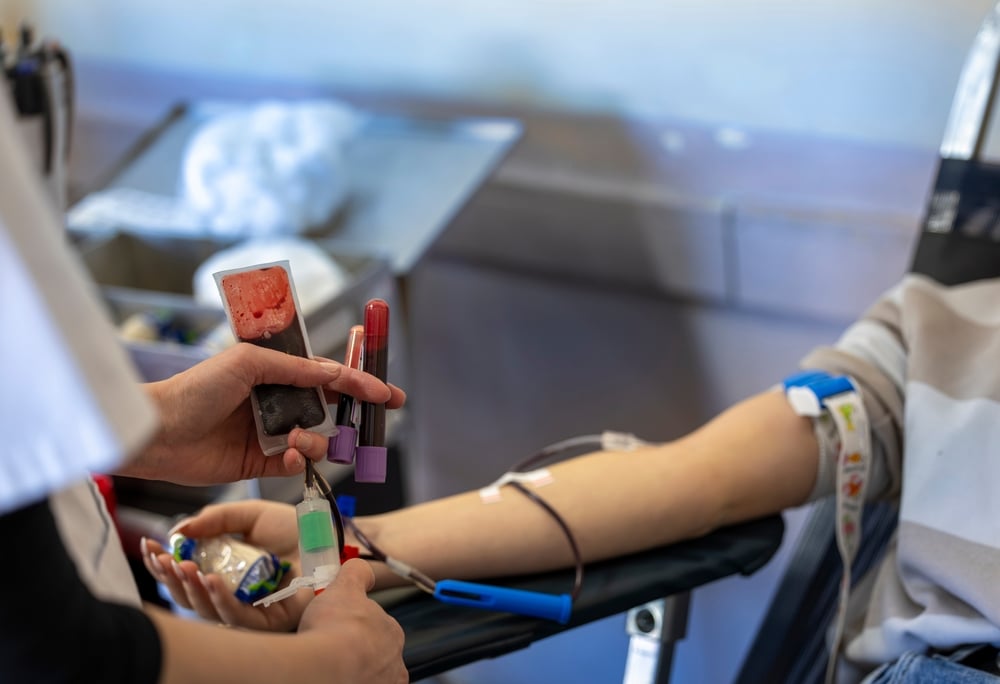
The process begins when a healthcare professional draws a small sample of your blood, usually from a vein in your arm. The sample is placed in sterile tubes that contain special chemicals to prevent clotting and preserve the blood for testing.
Each tube is carefully labeled with your information to avoid mix-ups and ensure accurate results.
2. Step 2: Sample Preparation
After collection, the blood sample is sent to a laboratory. There, technicians may separate the blood into different components — such as plasma, serum, and red or white blood cells — using a device called a centrifuge.
This helps scientists focus on the part of the blood relevant to the specific test being conducted.
3. Step 3: Laboratory Testing
This is where the actual screening begins. Depending on the purpose of the test, your blood may be screened for:
-
Infectious diseases like HIV, hepatitis B and C, or syphilis.
-
Blood sugar and cholesterol levels.
-
Kidney and liver function.
-
Blood type and hemoglobin levels.
Modern laboratories use automated analyzers and chemical reagents to detect abnormalities or markers that could indicate disease or infection.
4. Step 4: Quality Control & Verification
To ensure accuracy, laboratories follow strict quality control standards. Multiple checks are done to confirm that the equipment is working correctly and that the results are consistent.
If any test result seems unusual, additional confirmatory tests may be performed.
5. Step 5: Result Interpretation
Once the tests are completed, a medical expert — often a pathologist or laboratory scientist — reviews and interprets the findings.
Results are then sent to your doctor, who discusses them with you and recommends any next steps or treatments if necessary.
Conclusion
Blood screening is a critical part of preventive healthcare. It allows doctors to detect potential health issues before symptoms appear, monitor ongoing conditions, and ensure donated blood is safe for transfusion.
So, the next time you roll up your sleeve for a blood test, you’ll know exactly what’s happening behind the scenes — a complex yet fascinating process that safeguards your health.