About Thalassemia
- Home
- About Thalassemia
WHAT IS THALASSEMIA?
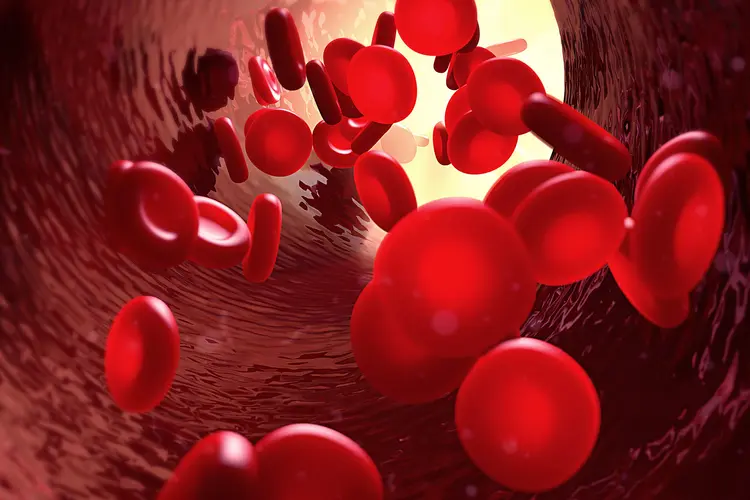
Thalassemia is an inherited blood disorder. There are two main types– alpha and beta thalassemia. This brochure deals with beta-thalassemia only, also known as transfusion dependent thalassemia or Cooley’s anaemia, named after Dr. Thomas Benton Cooley, who discovered beta thalassemia. Patients with beta-thalassemia major, the most severe form of thalassemia, cannot make normal adult haemoglobin, and as a consequence cannot produce normal red blood cells. In these individuals, each red blood cell contains much less haemoglobin, and therefore there are far fewer red cells than the normal range. This causes anaemia, which is severe in these patients.
HOW DO YOU GET THALASSEMIA?
Thalassemia is an inherited disorder—that is, it is passed on from parents to children through their genes. A child inherits two beta globin genes (one from each parent). People who inherit faulty haemoglobin genes from one parent but normal genes from the other are called carriers. Carriers have no signs of illness other than mild anaemia. However, they can pass the faulty genes on to their children.
When both parents carry one faulty gene (carriers), EACH child has a 1 in 4 (25%) chance of inheriting two normal genes (no anaemia), a 2 in 4 chance (50%) chance of inheriting one faulty gene and one normal gene (carrier), or a 1 in 4 (25%) chance of inheriting two faulty genes (beta-thalassemia major). These chances are the same for each pregnancy.
WHAT ARE THE SIGNS OF THALASSEMIA?
Signs and symptoms of beta thalassemia major usually occur within the first 6 months of life. They may include severe anaemia and other health problems, such as:
⦁ A pale and listless appearance
⦁ Poor appetite
⦁ Dark urine (a sign that red blood cells are
⦁ breaking down)
⦁ Slowed growth and delayed puberty
⦁ Jaundice (a yellowish colour of the skin or whites
⦁ of the eyes)
⦁ An enlarged spleen, liver, or heart
⦁ Bone problems
HOW IS IT DIAGNOSED?
Thalassemia is diagnosed by using blood tests, including a complete blood count (CBC) and special haemoglobin tests called haemoglobin electrophoresis.
Thalassemia is not peculiar to any one ethnic group, but it is most common in people of
Asian, Middle Eastern or Mediterranean origin. It is in your own best interest to determine if you are a carrier of thalassemia. If you are, it is advisable to ensure that all potential partners are made aware of this so that informed decisions can be made. In Trinidad and Tobago, approximately 1 in 15 people carry the Thalassemia gene.
If you’re expecting a baby and you and your partner are thalassemia carriers, prenatal testing can be considered. Prenatal testing involves taking a sample of amniotic fluid or tissue from the placenta. Tests done on the fluid or tissue can show whether your baby has thalassemia and how severe it might be.

HOW IS IT TREATED?
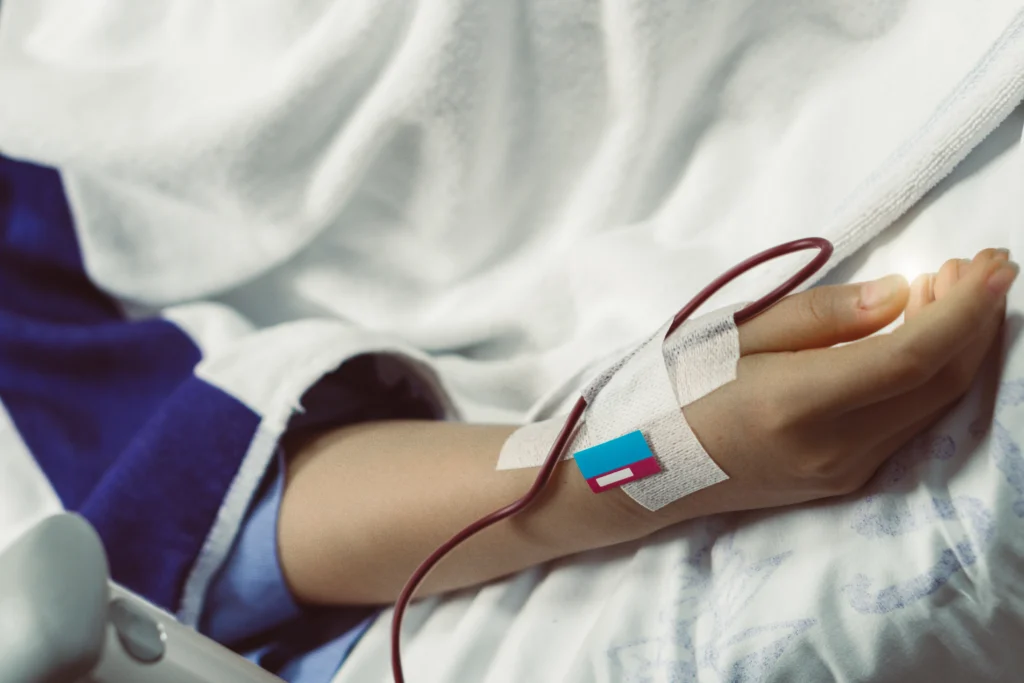
There are three standard treatments for beta-thalassemia. These are blood transfusions, iron chelation therapy, and folic acid supplements. The haemoglobin in red blood cells is an iron-rich protein. Thus, regular blood transfusions lead to a buildup of iron in the body. It damages the liver, heart, and other parts of the body. Deferoxamine (Desferal) and Deferasirox (Exjade) are two medications used with iron chelation therapy.
A bone marrow stem cell transplant, known as a Haploidentical Transplant, is the only treatment that can cure thalassemia. The healthy blood-forming cells of the matched donor (usually the parent) replaces the unhealthy cells.
LIVING WITH THALASSEMIA
Living with thalassemia can be challenging, but several approaches can help a patient, cope.
Following the treatment plan your doctor gives you is important. Iron chelation treatment can take time and be mildly painful. However, don’t stop taking your medicine. The leading cause of death among people who have thalassemia is heart disease caused by iron overload.
Keep scheduled medical appointments and get any tests that the doctor recommends.
These tests may include:
⦁ Monthly complete blood counts, and tests for blood iron levels every 3 months
⦁ Yearly tests for heart function, liver function, and viral infections (e.g. hepatitis B & C and HIV)
⦁ Yearly tests to check for iron buildup in the liver
⦁ Yearly vision and hearing tests
⦁ Regular checkups to make sure blood transfusions are working.
Take steps to stay as healthy as possible. Follow a healthy eating plan.
Get vaccinations as needed, especially if you’ve had your spleen removed. Eg. vaccines
for the flu, pneumonia, hepatitis B, and meningitis.
Watch for signs of infection (such as a fever) and take steps to lower the risk of infection. e.g. Wash hands often, keep the skin around the site where you get blood transfusions as clean as possible.
You or your parents may have fear, anxiety, depression, or stress. Joining a patient support group may help you and family members adjust.